Cholesterol Dietitian in Oklahoma City
Personalized Nutrition Counseling for High Cholesterol & Heart Health
Have you recently been told that your cholesterol is too high?
Maybe your LDL cholesterol or triglycerides have increased, your HDL is lower than you’d like, or your doctor has recommended making changes to your diet.
You may be wondering:
At Life Nutrition, I provide personalized nutritional counseling for high cholesterol and cardiovascular health.
Rather than giving you a generic list of “good” and “bad” foods, we’ll look at your complete lipid profile, eating patterns, health history, lifestyle, and goals to create a nutrition strategy that works for you.
You don’t need to be afraid of food. You need to understand which nutrition changes are most meaningful for your individual health.
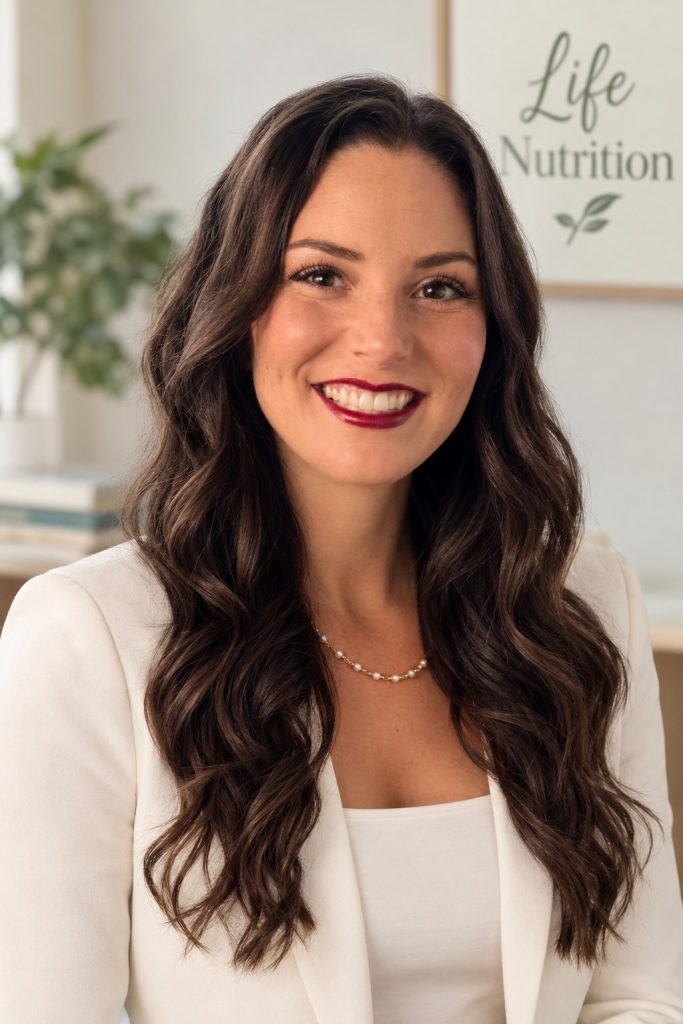
Meet Your Oklahoma City Cholesterol Dietitian
I’m Erin Martin, RDN/LD, a Registered Dietitian Nutritionist and the founder of Life Nutrition.
I’ve been a Registered Dietitian since 2009 and earned my Bachelor of Science in Human Environmental Sciences and Nutritional Sciences from Oklahoma State University.
I became a dietitian because I wanted to help people become the healthiest version of themselves and help people with disease prevention.
My approach to cholesterol nutrition is personalized, practical, and sustainable.
You don’t necessarily need to eliminate every food you enjoy to improve your cholesterol. Instead, we’ll identify the dietary changes that are most appropriate for your individual health and goals.
What Does a Dietitian Help with When Cholesterol Is High?
Nutrition counseling can be helpful if you have:
- High LDL cholesterol
- High total cholesterol
- High triglycerides
- Low HDL cholesterol
- An unfavorable cholesterol ratio
- High non-HDL cholesterol
- A family history of high cholesterol
- Metabolic syndrome
- Insulin resistance
- Prediabetes
- Type 2 diabetes
- Fatty liver
- High blood pressure
- Cardiovascular risk factors
Your nutrition recommendations will depend on your complete health picture rather than one cholesterol number.
Understanding Your Cholesterol Numbers
Your lipid panel may include several different measurements.
LDL Cholesterol
LDL is commonly referred to as “bad cholesterol.” For many people, lowering LDL is an important part of reducing cardiovascular risk.
Your individual LDL goal depends on your overall cardiovascular risk and medical history.
HDL Cholesterol
HDL is commonly referred to as “good cholesterol.”
Although HDL is an important part of your lipid profile, simply trying to raise HDL with a particular food or supplement isn’t the primary goal of cardiovascular nutrition. We’ll look at your entire lipid profile and overall health.
Triglycerides
Triglycerides are another type of fat found in your blood. Elevated triglycerides can be associated with:
- Excess calorie intake
- High intake of added sugars
- Alcohol
- Insulin resistance
- Diabetes
- Excess body weight
- Certain medications
- Genetic factors
Nutrition counseling can help identify lifestyle factors that may be contributing to elevated triglycerides.
Total Cholesterol
Total cholesterol is calculated from components of your lipid profile.
Rather than focusing on total cholesterol alone, we’ll look at your complete lipid panel and overall cardiovascular risk.
Non-HDL Cholesterol
Non-HDL cholesterol includes cholesterol carried by several potentially atherogenic lipoproteins.
It can provide useful information alongside LDL and the rest of your lipid profile.
What Foods Can Help Lower LDL Cholesterol?
One of the most important goals of nutrition counseling is learning what to add, not just what to remove. Depending on your individual needs, we may increase foods such as:
Soluble fiber
Soluble fiber can help support healthy LDL cholesterol levels. Food sources include:
- Oats
- Barley
- Beans
- Lentils
- Apples
- Citrus fruits
- Berries
- Chia seeds
- Ground flaxseed
Vegetables
Vegetables provide fiber, vitamins, minerals, and other beneficial plant compounds.
We’ll help you find practical ways to increase your vegetable intake without making your diet feel restrictive.
Fruits
Fruit can absolutely be part of a heart-healthy eating pattern.
Whole fruits provide fiber and other nutrients.
Nuts and seeds
Nuts and seeds can provide unsaturated fats, fiber, and other nutrients that fit well into a heart-healthy eating pattern.
Fish
Fatty fish such as salmon, sardines, and trout provide omega-3 fatty acids.
We’ll discuss appropriate portions and frequency based on your individual needs.
Unsaturated fats
We may incorporate foods such as:
- Olive oil
- Avocado
- Nuts
- Seeds
- Nut butters
- Fatty fish
What Foods Should You Limit If You Have High Cholesterol?
You don’t necessarily have to completely eliminate any particular food. However, depending on your lipid profile and overall health, we may work on reducing your intake of foods high in:
Saturated fat
Common sources include:
- Fatty cuts of meat
- Processed meats
- Butter
- Full-fat dairy products
- Cream
- Some fried foods
- Some commercially prepared baked goods
The goal is often to replace some saturated fats with unsaturated fats, rather than simply removing fat from your diet.
Added sugars
High intake of added sugars can be particularly relevant when triglycerides are elevated. We’ll look at:
- Sugar-sweetened beverages
- Desserts
- Candy
- Sweetened coffee drinks
- Highly processed snack foods
Excess alcohol
Alcohol can contribute to elevated triglycerides for some people.
If triglycerides are elevated, we’ll discuss your individual alcohol intake and whether reducing or avoiding alcohol would be appropriate.
High Triglycerides Nutrition
If your triglycerides are elevated, we may focus on several areas of your eating pattern. Depending on your individual situation, this may include:
- Reducing excessive added sugar
- Limiting sugar-sweetened beverages
- Evaluating alcohol intake
- Improving carbohydrate quality
- Appropriate portion sizes
- Increasing fiber
- Increasing physical activity
- Weight management when appropriate
- Managing insulin resistance or diabetes
Very high triglycerides require medical attention because they can increase the risk of acute pancreatitis.
Cholesterol & Insulin Resistance
High cholesterol and insulin resistance frequently occur together. You may have:
- High triglycerides
- Low HDL
- Elevated LDL
- Prediabetes
- Elevated fasting insulin
- Increased waist circumference
- Fatty liver
If these concerns occur together, treating your nutrition as a whole metabolic picture can be more helpful than focusing on cholesterol alone.
Life Nutrition can help you develop an eating pattern that supports your cholesterol, blood sugar, weight, and overall metabolic health.
Cholesterol & Weight Loss
If weight loss is appropriate for you, even modest weight reduction may be beneficial for some cardiometabolic risk factors. But you don’t need to follow an extreme diet.
We’ll focus on sustainable strategies such as:
- Appropriate calorie intake
- Protein
- Fiber
- Portion control
- Healthy fats
- Fruits and vegetables
- Whole grains
- Physical activity
- Strength training
- Sustainable behavior change
The goal is to improve your health while creating habits you can maintain.
Cholesterol & Diabetes
If you have both diabetes and high cholesterol, nutrition recommendations can address both concerns together. We may work on:
- Carbohydrate quality
- Fiber
- Saturated fat
- Unsaturated fats
- Protein
- Meal composition
- Portion sizes
- Blood sugar management
- Weight management
You don’t have to follow separate diets for every diagnosis. We’ll develop a nutrition strategy that considers your whole health picture.
Cholesterol & GLP-1 Medications
If you’re taking a GLP-1 medication for diabetes or weight management, nutrition counseling can help you maintain adequate nutrition while working toward your goals. We can focus on:
- Protein
- Fiber
- Hydration
- Nutrient-dense foods
- Healthy fats
- Muscle preservation
- Sustainable weight management
Your prescribing healthcare professional manages your medication, while Life Nutrition provides individualized nutrition support.
Your First Cholesterol Nutrition Appointment
Your first appointment is about understanding your individual cardiovascular and nutrition picture.
1. Your laboratory results
If available, bring recent laboratory results such as:
- Total cholesterol
- LDL cholesterol
- HDL cholesterol
- Triglycerides
- Non-HDL cholesterol
- A1C
- Fasting glucose
- Other relevant laboratory results
2. Your medical history
Including relevant diagnoses, medications, supplements, family history, and cardiovascular risk factors.
3. Your current diet
We’ll review:
- Typical meals
- Snacks
- Beverages
- Portion sizes
- Restaurant meals
- Cooking habits
- Sources of saturated fat
- Fiber intake
4. Your lifestyle
We’ll discuss:
- Physical activity
- Exercise
- Sleep
- Stress
- Work schedule
- Family responsibilities
5. Your goals
Your goal may be to:
- Lower LDL cholesterol
- Lower triglycerides
- Improve your overall lipid profile
- Improve heart health
- Lose weight
- Improve insulin resistance
- Improve blood sugar
- Eat a more heart-healthy diet
- Understand what you should actually be eating
We’ll build your plan around the goals that matter most to you.
What Your Personalized Cholesterol Nutrition Plan May Include
Depending on your individual needs, your nutrition recommendations may include:
- Personalized meal planning
- Fiber goals
- Protein recommendations
- Saturated-fat education
- Healthy-fat education
- Grocery-shopping guidance
- Food-label education
- Heart-healthy recipes
- Restaurant strategies
- Snack ideas
- Weight-management strategies
- Strategies for lowering triglycerides
- Nutrition support for diabetes or insulin resistance
- Supplement review
- Sustainable behavior-change strategies
You Don’t Need a “Perfect” Diet
You may have been told that you need to give up:
That’s not how sustainable nutrition works.
Instead, we’ll look at your overall dietary pattern and identify the changes that are most likely to make a meaningful difference for your individual health. Small, consistent improvements can add up.
When Should You See a Cholesterol Dietitian?
Life Nutrition may be a good fit if:
- Your doctor recently told you your cholesterol is high
- Your LDL is elevated
- Your triglycerides are elevated
- Your HDL is low
- Your non-HDL cholesterol is elevated
- You have a family history of high cholesterol
- You have diabetes or prediabetes
- You have insulin resistance
- You have fatty liver
- You want to lose weight
- You want to improve your cardiovascular health
- You aren’t sure what foods are best for your cholesterol
- You’ve tried changing your diet but aren’t seeing the results you want
Ready to Take the Guesswork Out of Cholesterol Nutrition?
Finding out that your cholesterol is elevated can be overwhelming—but you don’t have to figure out your diet on your own.
At Life Nutrition, I will help you understand your numbers, identify practical nutrition changes, and create an eating pattern that supports your cardiovascular and overall health.
Schedule a Cholesterol Nutrition Appointment
Erin Martin, RDN/LD
Registered Dietitian Nutritionist
Life Nutrition
Oklahoma City, Oklahoma
In-person and virtual nutrition counseling available.
Life Nutrition
Personalized nutrition. Practical changes. A healthier you.