PCOS Dietitian in Oklahoma City
Personalized Nutrition Counseling for Women With PCOS
Have you been diagnosed with polycystic ovary syndrome (PCOS) and feel overwhelmed by all of the conflicting nutrition advice?
Maybe you’ve been told to cut carbohydrates completely. Maybe you’ve tried intermittent fasting, keto, calorie restriction, or other diets without seeing the results you hoped for.
Or perhaps you’re struggling with:
- Weight gain or difficulty losing weight
- Insulin resistance
- Blood sugar fluctuations
- Strong cravings
- Irregular or unpredictable menstrual cycles
- Acne or other hormone-related symptoms
- Difficulty maintaining a healthy weight
- Prediabetes or type 2 diabetes
- Fertility-related nutrition concerns
You don’t have to navigate PCOS nutrition on your own.
At Life Nutrition, I provide personalized nutrition counseling for women with PCOS. Rather than following a one-size-fits-all “PCOS diet,” we will develop a nutrition strategy based on your health, your symptoms, your lifestyle, your food preferences, and your goals.
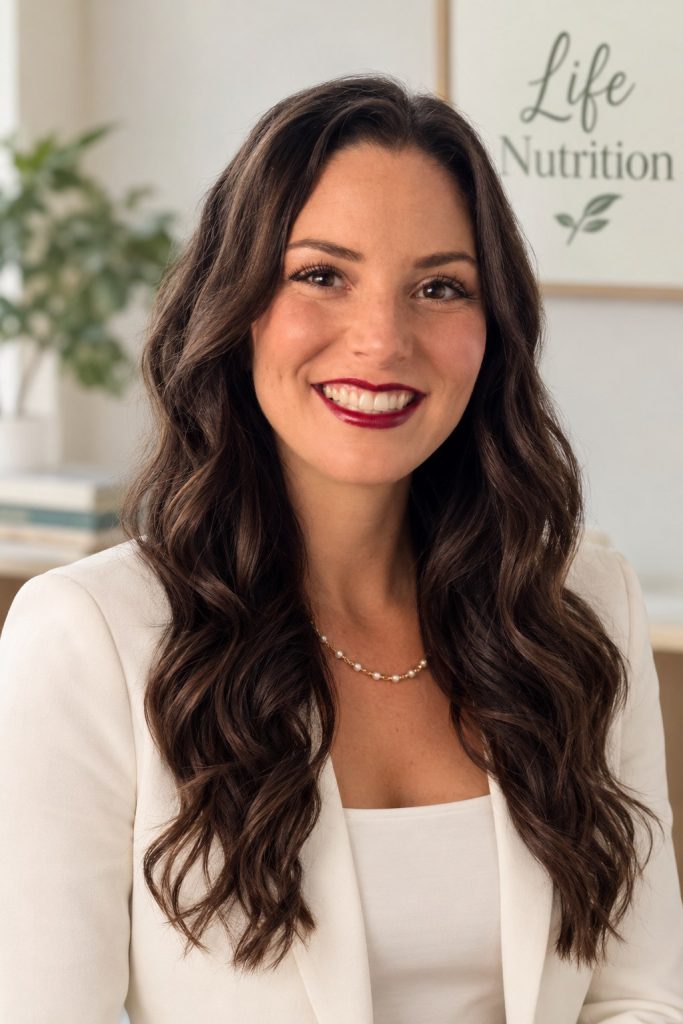
Meet Your Oklahoma City PCOS Dietitian
I’m Erin Martin, RDN/LD, a Registered Dietitian Nutritionist and the founder of Life Nutrition.
I’ve been a Registered Dietitian since 2009 and earned my Bachelor of Science in Human Environmental Sciences with an emphasis in Nutritional Sciences from Oklahoma State University.
I became a dietitian because I wanted to help people become the healthiest version of themselves and help people prevent and manage disease through nutrition.
When working with women with PCOS, my goal is to make nutrition practical, realistic, and individualized.
You don’t have to eat perfectly. You don’t necessarily need to eliminate carbohydrates. And there isn’t one magical food or supplement that will fix PCOS.
Instead, we’ll focus on sustainable nutrition and lifestyle strategies that support your overall health and your individual goals.
How Can a Dietitian Help With PCOS?
PCOS is a complex condition, and nutrition needs can vary significantly from one woman to another. Nutrition counseling may help you work toward:
Improving insulin sensitivity
Insulin resistance is common in PCOS. Nutrition and lifestyle strategies can help support healthy blood glucose regulation and metabolic health.
Supporting healthy weight management
If weight loss is one of your goals, we’ll create a sustainable approach that focuses on your overall health—not extreme calorie restriction.
Managing cravings and hunger
We’ll look at meal composition, protein, fiber, meal timing, and other factors that may contribute to hunger and cravings.
Supporting cardiovascular health
Women with PCOS may have an increased risk of metabolic and cardiovascular complications. Nutrition can play an important role in supporting healthy cholesterol, triglycerides, blood pressure, and blood sugar.
Building balanced meals
You’ll learn how to combine protein, carbohydrates, fiber, and healthy fats to create satisfying meals that work with your lifestyle.
Supporting healthy habits
PCOS management isn’t about following a perfect diet. We’ll work on practical habits you can maintain over time.
What Should You Eat If You Have PCOS?
There isn’t one universally recommended “PCOS diet.” In fact, one of the most common problems I see is women believing they have to completely eliminate carbohydrates or follow an extremely restrictive diet.
You don’t necessarily need to eliminate carbohydrates to eat well with PCOS. Instead, we’ll focus on the overall quality and balance of your diet. Your individualized plan may emphasize:
Protein
Protein can help with fullness and makes it easier to build balanced meals. Examples include:
- Chicken
- Turkey
- Fish
- Eggs
- Greek yogurt
- Cottage cheese
- Lean beef
- Beans and lentils
- Tofu
- Protein supplements when appropriate
Fiber-rich carbohydrates
Carbohydrates can absolutely be part of a PCOS-friendly eating pattern. Examples include:
- Oats
- Quinoa
- Brown rice
- Potatoes and sweet potatoes
- Beans and lentils
- Fruits
- Vegetables
- Whole-grain breads and pastas
Healthy fats
Sources such as:
- Olive oil
- Avocado
- Nuts
- Seeds
- Nut and seed butters
- Fatty fish
can be incorporated according to your individual needs.
Fruits and vegetables
Fruits and vegetables provide fiber, vitamins, minerals, and other beneficial plant compounds.
Rather than being afraid of fruit because of PCOS or insulin resistance, we’ll look at the overall meal and portion.
PCOS and Insulin Resistance
Insulin resistance is common among women with PCOS, although not every woman with PCOS has insulin resistance.
If insulin resistance is part of your health picture, nutrition counseling may focus on:
- Balanced meals
- Protein intake
- Fiber intake
- Carbohydrate quality
- Appropriate portions
- Regular physical activity
- Weight management when appropriate
- Blood glucose patterns
- Overall metabolic health
The goal isn’t to eliminate carbohydrates. The goal is to help you build meals that support steady energy, satisfaction, and healthy blood sugar regulation.
PCOS and Weight Loss
Weight loss can be more challenging for some women with PCOS, particularly when insulin resistance or other metabolic factors are present.
If weight loss is appropriate for you, we’ll focus on a sustainable approach rather than extreme dieting. Your plan may include:
- Individualized calorie goals
- Protein recommendations
- Fiber goals
- Portion guidance
- Meal planning
- Hunger and craving strategies
- Exercise nutrition
- Strength-training support
- Body-composition goals
- Strategies for eating out
- Long-term weight maintenance
Your goal doesn’t have to be “eat as little as possible.” The goal is to develop an eating pattern that supports your health and is realistic enough to maintain.
PCOS and GLP-1 Medications
Some women with PCOS may also be prescribed medications used for weight management or blood sugar control, including GLP-1 medications.
If you’re taking a medication such as Wegovy®, Ozempic®, Zepbound®, or Mounjaro®, nutrition counseling can help you make sure you’re still meeting your nutritional needs while your appetite is reduced. We can focus on:
- Adequate protein
- Fiber
- Hydration
- Muscle preservation
- Nutrient-dense meals
- Digestive comfort
- Sustainable weight management
Your prescribing healthcare professional manages your medication. Nutrition counseling provides additional support for your diet and nutritional needs.
PCOS, Hormones and Nutrition
PCOS is a hormonal and metabolic condition, but nutrition should not be approached as a way to “balance all your hormones” with a single food or supplement.
Instead, we’ll look at the factors that can meaningfully affect your overall health, including:
- Blood glucose
- Insulin resistance
- Body composition
- Lipids
- Blood pressure
- Physical activity
- Sleep
- Overall dietary quality
Your nutrition recommendations will be based on your individual health information rather than a generic hormone-balancing diet.
What Happens During a PCOS Nutrition Appointment?
Your first appointment is an opportunity for us to understand your individual PCOS experience. We’ll discuss:
1. Your symptoms and health history
We’ll talk about your PCOS diagnosis, health concerns, medications, relevant laboratory information, and your personal goals.
2. Your current eating habits
We’ll look at your typical meals, snacks, beverages, eating schedule, portions, and food preferences.
3. Your lifestyle
We’ll consider your work schedule, family responsibilities, activity level, sleep, stress, and other factors that affect your ability to make changes.
4. Your goals
Maybe you want to:
- Lose weight
- Improve insulin resistance
- Reduce cravings
- Improve your energy
- Improve your eating habits
- Support healthy blood sugar
- Improve cholesterol
- Prepare for pregnancy
- Improve your overall health
We’ll identify the goals that matter most to you.
5. Your personalized nutrition plan
You’ll receive practical recommendations designed specifically around your needs and your lifestyle.
Who Can Benefit From PCOS Nutrition Counseling?
Life Nutrition may be a good fit if you have PCOS and:
- Want help losing weight
- Have insulin resistance
- Have prediabetes
- Struggle with cravings
- Feel hungry frequently
- Want to improve your protein or fiber intake
- Are confused about carbohydrates
- Have tried multiple diets without lasting success
- Want help with meal planning
- Want to improve your metabolic health
- Are taking a GLP-1 medication
- Want nutrition support before or during your reproductive journey
- Simply want professional guidance for eating well with PCOS
You Don’t Need Another Restrictive Diet
If you’ve been diagnosed with PCOS, you may have already heard a long list of foods you’re “not supposed to eat.” You may have been told:
The truth is that nutrition for PCOS doesn’t have to be that complicated.
Your nutrition plan should be based on your individual health needs—not a list of rules from social media. At Life Nutrition, we’ll focus on realistic changes that you can continue long after your appointment ends.
Ready to Take the Next Step?
You don’t have to figure out PCOS nutrition by yourself.
Whether your primary goal is weight management, improving insulin resistance, developing healthier eating habits, or simply understanding what to eat with PCOS, Life Nutrition can help you develop a personalized approach.
Schedule a PCOS Nutrition Counseling Appointment
Erin Martin, RDN/LD
Registered Dietitian Nutritionist
Life Nutrition
Oklahoma City, Oklahoma
In-person and virtual nutrition counseling available.
Life Nutrition
Personalized nutrition. Practical changes. A healthier you.